-
 Nathan MacKinnon had two goals and an assist, Nicolas Roy and Devon Toews scored in the third period, and the top-seeded Colorado Avalanche swept the Los Angeles Kings out of the first round of the Stanley Cup playoffs with a 5-1 victory.
 -
 Why is one of the NHL's top seven teams from the regular season guaranteed to be eliminated in the first round of the playoffs?
 -
 The Colorado Avalanche have had a great season, and their chances of another Stanley Cup title seem promising. The Avs are on the verge of securing the NHL’s top overall seed and the President’s Trophy. That would give them home ice throughout the postseason.
 -
 Stretches of calm weather in the mountains might seem harmless, but they can quietly increase avalanche danger over time. And traveling in groups doesn’t always make skiers and snowshoers safer. That’s one of the key takeaways from experts in the Sierra Nevada, where one of the deadliest avalanches in U.S. history recently struck near Lake Tahoe.
 -
 Search and rescue teams headed to the area on Saturday evening and found signs of an avalanche.
 -
 Authorities say an avalanche near Lake Tahoe has killed eight backcountry skiers, and one person remains missing. The slide occurred Tuesday in Northern California's Sierra Nevada mountains. It is one of the deadliest avalanches in U.S. history.
 -
 Heavy snow and wind this week is creating some of the most dangerous avalanche conditions of the season. The Colorado Avalanche Information Center is warning recreators to stay out of harm's way.
 -
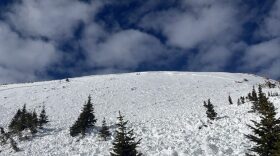 A skier was buried to their waist and carried 200 yards last week after triggering a massive slab avalanche on Berthoud Pass’s “Postage Stamp” run.
 -
 The new weather stations map includes stations operated by the CAIC, ski areas, the SNOTEL network and CDOT.
 -
 Two snowboarders and a skier recorded video of a recent avalanche in RMNP.

© 2026

NPR News, Colorado Stories
Play Live Radio
Next Up:
0:00
0:00
Available On Air Stations


