


Erin O'Toole
Host & Senior Producer, In the NoCoEmail: erin.otoole@kunc.org
As the host of KUNC’s news program and podcast In The NoCo, I work closely with our producers and reporters to bring context and diverse perspectives to the important issues of the day. Northern Colorado is such a diverse and fast-growing region, brimming with history, culture, music, education, civic engagement, and amazing outdoor recreation spots. It’s a privilege to find and share the stories and voices that reflect why NoCo is such an extraordinary place to live.
One of the things I love most about public radio is that it embodies and encourages many of the values I hold dear: integrity, civility and curiosity. I’ve been with KUNC since 2009, minus a brief break where I focused exclusively on a Denver-based podcast. I’ve served in a number of roles here: Morning Edition Host, Assistant News Director, and as host and senior producer for Colorado Edition. My work has been recognized by the Associated Press, the Colorado Broadcasters Association, PRNDI, RTNDA, and the Society for Professional Journalists.
I began my career at a country radio station in Cincinnati, Ohio, where I was a traffic reporter, newscaster, sidekick, and finally a morning show host (yes, it’s true that my name was Coyote Kim!). I later relocated to southern California where I served as Morning Edition host and reporter for KVCR in San Bernardino. I was selected as a USC/Annenberg Health Journalism fellow in 2008.
When I'm not at work, you can usually find me hiking with my two dogs, noodling around on my bass, cooking, or enjoying the sunshine and a cold brew on a patio somewhere.
-
 Fall is here – and that often means raking up all those fallen leaves from the yard. But if you bag them and set them out for the trash, you might be missing an easy – and free – way to keep your yard healthier.
-
 Ahead of the midterms, Boulder County is training a new kind of poll worker. These are trusted friends and neighbors who answer questions and dispel misinformation about how voting in Colorado works.
-
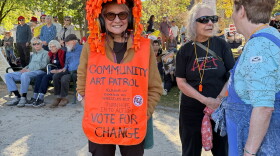 Hundreds of people on Saturday gathered in downtown Fort Collins for a "No Kings" rally and march, aimed at promoting early voting ahead of November's midterm elections. The focus was on one overarching message: that your vote is your superpower.
-
 A sympathy card for a grieving dog owner. A Mother’s Day card for someone who’s been like a mom to you. And an old-fashioned printing press. Those are some of the key ingredients to success for Wolf & Wren Press in Longmont. We talked with the cofounders about how they created their business.
-
 The state of Colorado spent nearly $100 million last year on enrichment programs for homeschool students. Earlier this year, lawmakers decided to rein in these programs after learning much of that public funding was paying for activities like golf, skiing, and pickleball – activities that aren't funded for public school students.
-
 Colorado just hit a major clean-energy milestone: In the first six months of this year, more than half of its electricity came from renewable sources, like wind, solar and geothermal. It’s a significant step toward the goal of 100 percent emission-free by the year 2050.
-
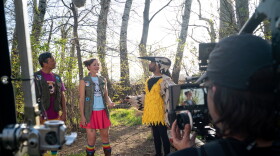 For more than 20 years, a Boulder duo known as Jeff & Paige have performed interactive songs about nature and science for children. And now they've brought their work to a PBS show called Rainbow Socks.
-
 A unique traveling museum exhibit uses handmade garments to explore what life was like for women of color through different periods of Colorado history. Artist and historian Chloe Duplessis created 12 Tablecloths as a way to honor the little-known lives of domestic workers in Colorado.
-
 About one in five new mothers have struggled with postpartum depression or anxiety. A new study led partly by Colorado researchers says psychedelics could soon be an effective treatment – and that they may be more effective than prescription medication or psychotherapy.
-
 The answer to the question of how long moose have been in Colorado is more complicated than you might expect. A CU scholar dug into centuries of newspaper records and animal remains to find out.


