


Sonari Glinton
Sonari Glinton is a NPR Business Desk Correspondent based at our NPR West bureau. He covers the auto industry, consumer goods, and consumer behavior, as well as marketing and advertising for NPR and Planet Money.
In this position, which he has held since late 2010, Glinton has tackled big stories including GM's road back to profitability and Toyota's continuing struggles. In addition, Glinton covered the 2012 presidential race, the Winter Olympics in Sochi, as well as the U.S. Senate and House for NPR.
Glinton came to NPR in August 2007 and worked as a producer for All Things Considered. Over the years Glinton has produced dozen of segments about the great American Song Book and pop culture for NPR's signature programs most notably the 50 Great Voices piece on Nat King Cole feature he produced for Robert Siegel.
Glinton began his public radio career as an intern at Member station WBEZ in Chicago. He worked his way through his public radio internships working for Chicago Jazz impresario Joe Segal, waiting tables and meeting legends such as Ray Brown, Oscar Brown Jr., Marian MacPartland, Ed Thigpen, Ernestine Andersen, and Betty Carter.
Glinton attended Boston University. A Sinatra fan since his mid-teens, Glinton's first forays into journalism were album revues and a college jazz show at Boston University's WTBU. In his spare time Glinton indulges his passions for baking, vinyl albums, and the evolution of the Billboard charts.
-
Bennett died Friday morning in New York City, according to a representative for the singer.
-
 Subscriptions and ticket sales are down, but theater is needed more than ever. What theaters are doing to survive.
 -
We remember one of the great TV innovators who changed the business of television: Desi Arnaz.
-
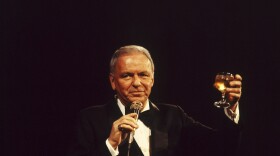 Made famous by Frank Sinatra — who grew to hate it — "My Way" represents the quintessentially American outlook that nothing in life matters more than living on your own terms.
 -
 Day took on meaty roles in films like The Man Who Knew Too Much and Love Me or Leave Me, but in the late '50s she settled into romantic comedies and a persona that would stick: the good girl.
 -
A U.S. grand jury has charged Martin Winterkorn, VW's former CEO and five other ex-executives on felony charges of conspiracy. In 2015, VW admitted installing cheat devices in its diesel vehicles.
-
 The German auto giant has a new top management and a new focus. The diesel scandal helped drive VW toward investing in electric cars, but other major automakers are betting on a plug-in future too.
 -
 Traditional advertising is on the decline, but billboards targeting Hollywood's elite are shining. Tech and entertainment companies have boosted spending to keep their brands in conspicuous places.
 -
 The U.S. has been pushing China to lower its high 25 percent tariff on imported cars, but most countries zealously protect their domestic auto markets — including the United States itself.
 -
 U.S. auto sales are expected to decline for the second year in a row. But analysts say the industry is relatively healthy as consumers flock to higher-profit SUVs and trucks.


