-
 Post-fire specialists are assessing soil damage, debris flows and watershed risks after the Ferris Fire, as parts of the burned landscape begin to recover.
 -
 The Roaring Fork Conservancy is one of several local employers that have purchased a mix of deed-restricted and free-market condos to rent to staff in a new apartment complex in Basalt. Matthew Anderson, who works for the conservancy, will be one of the first residents to move into the new units.
 -
 The Trump administration spent much of the year rolling back environmental regulations, stripping protections for public lands, and working to limit the development of green energy while bolstering fossil fuels.
 -
 Water forecasters, researchers, and politicians are all watching with bated breath as closed-door negotiations continue over allocating water in the Colorado River after 2026. Many are getting frustrated with what they see as a lack of action in the face of a mounting crisis.
 -
 Reintroduced in 2023, gray wolves have spread out across western Colorado, exploring wild landscapes and preying on elk, deer, and occasionally — livestock. To address the problem, Colorado is piloting a program that sends "range riders" to patrol lands where wolves are preying on livestock.
 -
 Warmer temperatures in November meant that less snowpack accumulated. But storms did increase soil moisture in the Upper Colorado River Basin, making future precipitation more likely to run off slopesides and boost rivers and streams.
 -
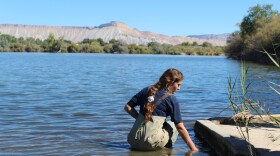 To limit damage Colorado Parks and Wildlife has been increasing its efforts to detect the bivalve since it was first discovered in the state in 2022.
 -
 The One Big Beautiful Bill changed the leasing process for the BLM. Now, land in Colorado will be cheaper for operators to lease, and the agency will have less discretion over the terms of the agreements.
 -
The Public Lands Rule allowed conservation to be managed as part of BLM's multiple-use mandate, along with other uses like mining and grazing. The Trump administration now says that rule doesn't pass muster.
-
 From September 9 through 16, 2013, catastrophic floods swept across Colorado's Front Range, forcing thousands from their homes and leaving entire neighborhoods underwater. In Longmont, the St. Vrain Creek burst its banks, causing nearly $150 million in infrastructure damage. The city rebuilt with resilience in mind, and its efforts have earned recognition from the United Nations.

© 2026

NPR News, Colorado Stories
Play Live Radio
Next Up:
0:00
0:00
Available On Air Stations


