

Caroline Llanes, Rocky Mountain Community Radio
-
 Utah's Cultural Site Stewardship program gives volunteers the opportunity to protect Utah's most special places, like historic sites and cultural resources, by monitoring them for damage.
 -
 Chad Reznicek from CSU's AgrAbility program discusses some of the mental health impacts he's seen across Colorado's agricultural industry in the wake of record-breaking drought.
 -
 One of Colorado's most productive peach farmers is preparing for the possibility that irrigation water may be turned off before the harvest is finished.
 -
 Critics say the BLM's proposed policies would make it easier for oil and gas companies to shift the financial cost of cleaning up retired, polluting wells to taxpayers.
 -
 Republican Jeff Hurd and Democrats Alex Kelloff and Dwayne Romero weigh in on some of the big environmental issues in Western and Southern Colorado.
 -
 The White River National Forest would like Pitkin County to take over the management of the Maroon Bells Scenic Area. That's due to a budget gap and staffing woes.
 -
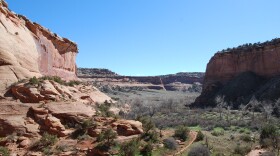 The Wilderness Society says that threats to landscapes in Colorado and the West come from Congress and the Trump administration, and are only increasing as the administration rolls back protections for public lands.
 -
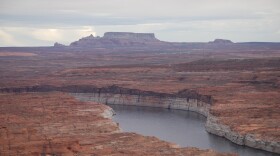 Record-low snowpack across the Upper Colorado River Basin will likely translate to poor conditions for spring runoff, and could mean emergency action to supplement low water levels in Lake Powell.
 -
 A lack of snow, compounded by warm temperatures, has plagued Colorado, Utah, and Wyoming. That will impact how much water is available come spring runoff.
 -
 Scott Fitzwilliams took early retirement in 2025 after more than three decades with the U.S. Forest Service. He says the Trump administration's public lands policies amount to a deliberate dismantling of the system.


