-
 From Spokane, Wash. to Pueblo County, Colo., fast-moving fires have again wreaked havoc in neighborhoods this summer. Now, a network of scientists, fire professionals and other experts have joined forces to seek research-based solutions to the problem.
 -
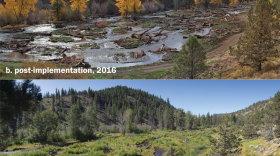 So-called process based restoration (PBR) has a number of ecological benefits. But it can make ecosystems more resilient to wildfires when they come, and better able to recover in their wake.
 -
 Giant sequoias only grow naturally in California today. But they once ranged as far east as Colorado, Wyoming and Nevada, before the climate turned drier and pushed them into their current, narrower range.
 -
 There were early signs that this fire season could be a big one, especially the record-low snowpack last winter. In Teton County — near the Grand Targhee Resort — that spurred interest in a novel effort: raising money to help hire a local wildfire mitigation coordinator.
 -
 The three countries have a years-long practice of sharing wildfire resources during each other's often intense seasons, which mostly don't overlap.
 -
 Fast, intense wildfires are making it harder for forests to recover and can change the entire ecosystem.
 -
 As the climate warms, some mountain trees are moving higher up, while others are spreading downhill. Scientists say something inside the trees may explain why. And that split could reshape watersheds and wildfire risk.
 -
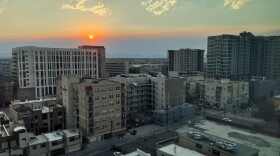 Smoke from Colorado’s intense wildfire season is drifting far beyond the flames, keeping people indoors and compounding long-standing air quality problems.
 -
 Major wildfires that sparked in late June, like the Aspen Acres, Willow and Gold Mountain fires, have shown lessened activity in recent days.
 -
 Friends and family are sharing what they’ll miss about Chris Andersen and Miles Elliott. Their deaths have also further shaken the wildland fire community, which has lost a number of firefighters during the intense and ongoing season.

© 2026

NPR News, Colorado Stories
Play Live Radio
Next Up:
0:00
0:00
Available On Air Stations


