-
 Hunters and hikers were among almost 133,000 people opposing potential changes to the Travel Management Rule in national forests. Snowmobile groups were in the minority.
 -
 Low water devastated recreation; effects on fish and electrical production could be next
 -
 Wildfires are burning more land in watersheds that provide water to communities across the West, raising concerns about water quality and infrastructure as fires become larger and more frequent.
 -
 A top U.S. Fish and Wildlife official told Idaho lawmakers Monday the Trump administration will immediately push to remove grizzly bears from the endangered species list after a proposed rule is finalized.
 -
 The day of remembrance is for the Indigenous children who were taken from their families and sent to boarding schools.
 -
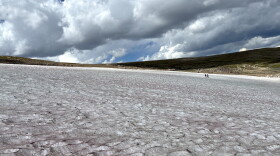 In Wyoming’s Beartooth Mountains, scientists are studying ice that has survived for thousands of years — and what could help some patches persist as the climate warms.
 -
 The tour company owner said she spoke with 80 to 90 potential international customers who decided not to book trips, most of whom indicated that the higher costs played a role.
 -
 Eastern and southeastern portions of the state are expected to be hardest hit
 -
 Democrats say western states, with abundant BLM lands, of most concern
 -
 The cost of diesel fuel in Colorado hit a new record high this week

© 2026

NPR News, Colorado Stories
Play Live Radio
Next Up:
0:00
0:00
Available On Air Stations


