-
 Eastern and southeastern portions of the state are expected to be hardest hit
 -
 Post-fire specialists are assessing soil damage, debris flows and watershed risks after the Ferris Fire, as parts of the burned landscape begin to recover.
 -
 Scientists say a warming climate is making extreme weather events like flash floods, heat waves, and hurricanes more intense. But how certain are they that climate change contributed to a specific disaster?
 -
 Colorado, like the rest of the contiguous U.S., experienced its warmest summer on record this year. Temperature monitors in Denver recorded 15 more days than average of 90 degrees or above.
 -
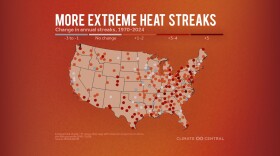 A new report finds multi-day streaks of extreme heat are becoming stronger and lasting longer across the U.S., especially in Mountain West states. Experts warn that heatwaves are not only a health concern, but can strain energy resources.
 -
 The monsoon season is here, and anyone exploring the backcountry needs to be prepared for potential heavy rain.
 -
 Colorado ranks 3rd in the nation for the most lightning strike fatalities between 2006 and 2023.
 -
 The percentage of adults in the West who say they’ve been personally affected by an extreme weather event, including wildfires and high heat, jumped 13% in the last two years.
 -
 The federal government is spending another $15.3 million to improve climate projections of extreme weather. That’s to help communities in the Mountain West and beyond prepare for future disasters brought on by climate change.
 -
 Colorado's Climate Extremes Committee is considering whether a hailstone that fell in Yuma County last week is the biggest in state history. The decision might come down to a storm chaser's photo.

© 2026

NPR News, Colorado Stories
Play Live Radio
Next Up:
0:00
0:00
Available On Air Stations


