-
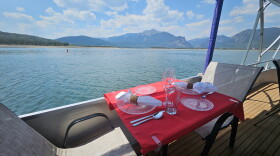 Most years, the Dillon Water Taxi ferries passengers across the largest reservoir in Summit County. But the severe drought this summer made that work impossible. So the water taxi’s captain launched a new business to make ends meet.
 -
 With the 10th Circuit ruling in Denver Water's favor, the plans to divert water from the Colorado River on the Western Slope and store it in Gross Reservoir moves forward. Environmental groups say the court ruling the project legal, doesn't make it right. Marty Lenz talked with Michael Booth of the Colorado Sun who's been covering this story.
 -
 This summer was brutal for Front Range lawns. But according to experts from CSU Extension, tackling a few tasks this fall is a great way to help prepare your yard for next year.
 -
 Chad Reznicek from CSU's AgrAbility program discusses some of the mental health impacts he's seen across Colorado's agricultural industry in the wake of record-breaking drought.
 -
 According to a press release, the latest happened Friday evening, Aug. 21. A man was heading back to his vehicle after a day of fishing along the North Fork Trail in Jefferson County. That’s when a bear knocked the man to the ground and bit his legs.
 -
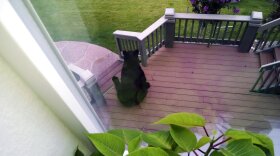 There has been a surge in black bear attacks across Colorado. Most recently, Colorado Parks and Wildlife announced two attacks in Steamboat Springs and Aspen.
 -
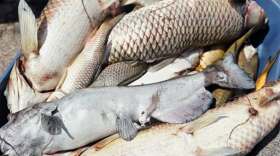 Colorado Parks and Wildlife said 30,000 fish died as a result of low oxygen levels in Sandpiper Pond at St. Vrain State Park this month. Officials say fish kills are common, but drought conditions are prompting different fish management strategies this fall.
 -
 Recent rainstorms have brought some needed relief to the Front Range. But because of dismal snowpack last winter, the storms are not enough to pull Colorado out of the lingering drought.
 -
 As Yampa Valley hunters gear up for the upcoming big game seasons, last winter’s anemic snowfall has raised questions regarding the health of local herds. However, while Steamboat’s ski season suffered, local animals fared well.
 -
 As the climate warms, some mountain trees are moving higher up, while others are spreading downhill. Scientists say something inside the trees may explain why. And that split could reshape watersheds and wildfire risk.

© 2026

NPR News, Colorado Stories
Play Live Radio
Next Up:
0:00
0:00
Available On Air Stations


