-
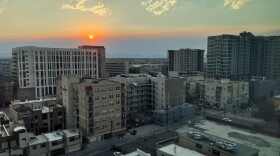 Smoke from Colorado’s intense wildfire season is drifting far beyond the flames, keeping people indoors and compounding long-standing air quality problems.
 -
 As local air quality readings remain in the unhealthy to hazardous range, what are the impacts of wildfire smoke on people's health?
 -
 Sore throat. Red eyes. The secondhand effects of living in Colorado during wildfire season are real – even if you live miles from the flames. So we asked an air quality expert how to stay healthy during a summer when wildfires are a constant in Colorado.
 -
 Wildfires burning in Utah and Colorado have sent smoke across the Western Slope, prompting air quality advisories. Public health officials say to treat smoky skies like bad weather.
 -
 Study finds link between wildfire smoke exposure and depression
 -
 When the catastrophic Los Angeles fires broke out, John Volckens suspected firefighters and residents were breathing toxic air from the burning homes, buildings, and cars, but it was unclear how much risk the public faced.
 -
 Nearby smoke plumes can drop generation substantially, but smoke that blows in from distant blazes appears to have only a "modest" effect.
 -
 Wildfire smoke is more than just wood burning. Research shows a mix of chemicals can be released when human-made materials burn up.
 -
 Study: Particle pollution from wildfires has ‘markedly stronger’ link to dementia than other sourcesResearchers were looking at PM 2.5 pollution, made up of particles with diameters at least 30 times smaller than human hair. They found that for every additional microgram from wildfires per cubic meter of air on average over rolling 3-year periods, patients faced an 18% increase in the odds of a dementia diagnosis. The figure for non-wildfire PM 2.5 was just 1%.
 -
 From respiratory patients to trail runners to kids playing outdoors, horrendous Front Range air quality requires some medical advice.

© 2026

NPR News, Colorado Stories
Play Live Radio
Next Up:
0:00
0:00
Available On Air Stations


