-
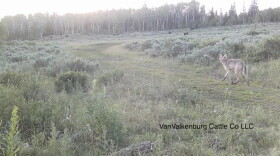 The yearling female was from the One Ear pack that state wildlife officials say has been preying on livestock in Grand and Jackson counties.
 -
 CPW identified the animal as the uncollared wolf that was separated from the Copper Creek Pack in 2024.
 -
 It was a startling admission: The owner of one of Colorado’s biggest ranches admitted to wildlife officials recently that her employee had killed a wolf in order to protect livestock on her property. So what happens now – and what does the rancher’s story say about Colorado’s wolf reintroduction program?
 -
 If gray wolf recovery in Colorado is to succeed this year, the wolves already in the state are on their own. Meaning that Colorado Parks and Wildlife (CPW) will not be bringing new wolves from outside the state.
 -
 The announcement from Parks and Wildlife on Wednesday came three months after the Trump administration blocked Colorado’s original plan to capture a second batch of wolves in British Columbia and fly them to the state.
 -
 Facing the prospect of a pause in additional wolves, wolf advocates say Colorado should add new protections for its existing population of less than 50 wolves.
 -
 Proponents of Colorado’s wolf restoration program have a tangible way to show off their support while driving. It’s a specialty license plate that reads “Born to Be Wild.” The money it generates helps provide ranchers with nonlethal tools to keep wolves from preying on their livestock. And so far the license plate has been a success – even in places that said “no” to wolves at the ballot box.
 -
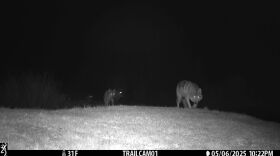 Reintroduced in 2023, gray wolves have spread out across western Colorado, exploring wild landscapes and preying on elk, deer, and occasionally — livestock. To address the problem, Colorado is piloting a program that sends "range riders" to patrol lands where wolves are preying on livestock.
 -
 The Colorado delegation split completely by party, with Republicans voting for the bill, and Democrats against.
 -
 Colorado’s program to restore gray wolves hit some snags recently. One of the biggest concerns is that state wildlife officials don’t know where the next set of wolves to be released here will come from. It’s a serious challenge at a moment when survival rates for the wolves are lower than Colorado officials had hoped.

© 2026

NPR News, Colorado Stories
Play Live Radio
Next Up:
0:00
0:00
Available On Air Stations


