-
 A study by the American Psychological Association says kids have a harder time absorbing lessons when the indoor temperature climbs to about 73 degrees. A look at how heat affects kids’ brains, and what school leaders along Colorado’s Front Range can do to help.
 -
 Much of the West sweltered through record-breaking heat this summer, as a strengthening El Niño, unusually warm oceans and ongoing human-caused climate change combined to push temperatures to historic levels.
 -
 Colorado, like the rest of the contiguous U.S., experienced its warmest summer on record this year. Temperature monitors in Denver recorded 15 more days than average of 90 degrees or above.
 -
 In some parts of the West - like the grass and shrublands of the Idaho-Oregon-Nevada tristate area - closer to two-thirds of burned area is associated with heatwaves.
 -
 Extreme heat can be ‘invisible’ compared to wildfires and drought — but it’s more dangerous by far.
 -
 Scientists have a new name for a weather pattern reshaping how the West gets its water: so-called “snow-eater” heat waves.
 -
 A record-breaking stretch of high temperatures late last month was Colorado’s worst heat wave in the 75 years that such records have been collected, state climatologists said Tuesday.
 -
 Heat safety campaigns throughout the region focus on at-risk populations, outdoor workers and the unhoused.
 -
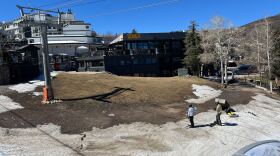 The unseasonal warmth that broke longstanding temperature records across the West last week was a hit to Colorado's already low snowpack. Climate change drove the heat wave, but scientists say it's still an outlier in today's world.
 -
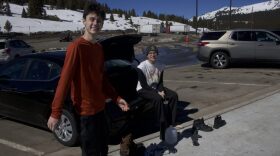 Dillon and Steamboat Springs both recorded their warmest-ever March days. Both were recorded last week.

© 2026

NPR News, Colorado Stories
Play Live Radio
Next Up:
0:00
0:00
Available On Air Stations


