-
 Initiative 175 would expand funding for roads through a constitutional amendment. Top lawmakers are racing to pass a bill to neutralize it.
 -
 At Colorado SunFest 2026, the nonpartisan Colorado Polling Institute shared key insights from their latest survey of likely voters.
 -
 The Joint Budget Committee — the six-member, bipartisan panel that drafts the budget — tweaked the spending package after debate in the full legislature earlier in the month.
 -
 Students, caregivers, immigrants, rural communities and parents will all feel the impact of Colorado’s $1.5 billion shortfall.
 -
 Since 2019, Democrats have passed bills imposing new fees to pay for everything from transportation projects to waste diversion initiatives. Last year, some members of the party started saying “no more.”
 -
 State Rep. Brandi Bradley of Littleton forced the reading of the 661-page bill in protest of the House’s handling of an ethics complaint she filed against a fellow GOP state representative. She hoped to bring awareness and change to the ethics process.
 -
 Republican Rep. Brandi Bradley of Littleton called for the entire 650+ page budget bill to be read aloud, a roughly 15-hour ordeal that halted proceedings in the House this week.
 -
Medicaid took the brunt of the final reductions, include a reimbursement rate cut for providers and a cap on Cover All Coloradans, which provides health care to immigrants who are children or pregnant.
-
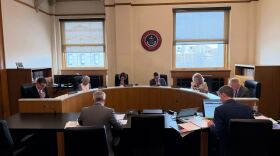 Colorado’s Medicaid spending has grown dramatically in recent years, making it tough for the state’s budget writers to avoid deep cuts to the program.
 -
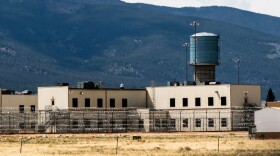 The news was met with shock from state lawmakers, who have been reeling in recent weeks as they cut Medicaid and other state services to address a $1 billion budget shortfall.

© 2026

NPR News, Colorado Stories
Play Live Radio
Next Up:
0:00
0:00
Available On Air Stations


