-
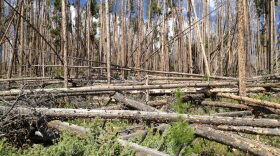 A historic drought, climate change and a tiny beetle put 600,000 acres of ponderosa pine at risk. Already, their gray skeletons line the highways.
 -
 It’s fall in Colorado, which means mountain roads are filled with leaf-peeping tourists. And it's no surprise that many folks think about planting a colorful aspen tree in their own yard. But horticulture experts say aspens can be more trouble than you’d think.
 -
 The warm dry winter Colorado just endured could mean an unusually active summer ahead for bugs. So we’re looking at the grasshoppers, Japanese beetles and other creatures that may pose an unusually big threat to the plants and trees in your neighborhood. And we’ll hear advice from an insect expert with CSU Extension on how to protect your garden.
 -
 After this warm, dry winter and spring, the trees in your yard may need a little help right now – even if they’re not showing visible signs of stress. Hear tips on how to keep your trees healthy, and what to plant if you’re thinking about adding new trees to your landscape. Advice from a tree expert with the CSU Extension.
 -
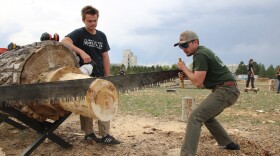 Colorado State University has a logging sports club, and some events directly transfer to skills needed for forestry jobs. That’s all the more crucial as the state looks for workers to help fight a massive pine beetle outbreak.
 -
 It’s been one of the warmest winters Denver’s ever seen, setting a record for the most 60-degree days this winter. That’s triggered some early blooms at the Denver Botanic Gardens.
 -
 The Front Range is partway through what’s been an unusually warm and dry winter. Whatever you think of this weather, the trees in your yard are probably suffering. Today on In The NoCo, expert advice from tree specialists at CSU Extension on how to help your trees make it through the winter in good shape.
 -
 Colorado aspen trees are starting to change colors unusually early this year – despite the continued summer heat. Why is this happening? And how will it affect the thousands of leaf-peepers who drive to the high county to enjoy the fall colors? We explore the science behind why the aspens are popping early this year.
 -
 There's more going on in trees than what most of us may know. Experts explain the science of trees.
 -
 When the University of Colorado first opened in Boulder nearly 150 years ago, the campus had only a few trees. Today, it’s home to thousands, with dozens of different species. The university’s biannual tree tour invites visitors to explore the foliage on campus.

© 2026

NPR News, Colorado Stories
Play Live Radio
Next Up:
0:00
0:00
Available On Air Stations


